Quick takeaway
Small, repeatable changes usually beat dramatic resets. If this topic feels overwhelming, focus on one steady next step and build from there.
Understanding Immune Support: What It Really Means
When we talk about immune support, it’s easy to imagine something that instantly boosts your defenses like a superhero shield. But the immune system is more like a well-tuned orchestra—it works best when everything is in balance. Supporting your immune health involves daily choices that nurture this balance, rather than quick fixes.
In 2025, more people are curious about supplements that may help keep their immune system steady, especially with busy lives and changing seasons. Let’s explore some of the commonly chosen supplements, what they support, and how they can fit into your wellness routine.
Why Supplements? A Complement, Not a Cure
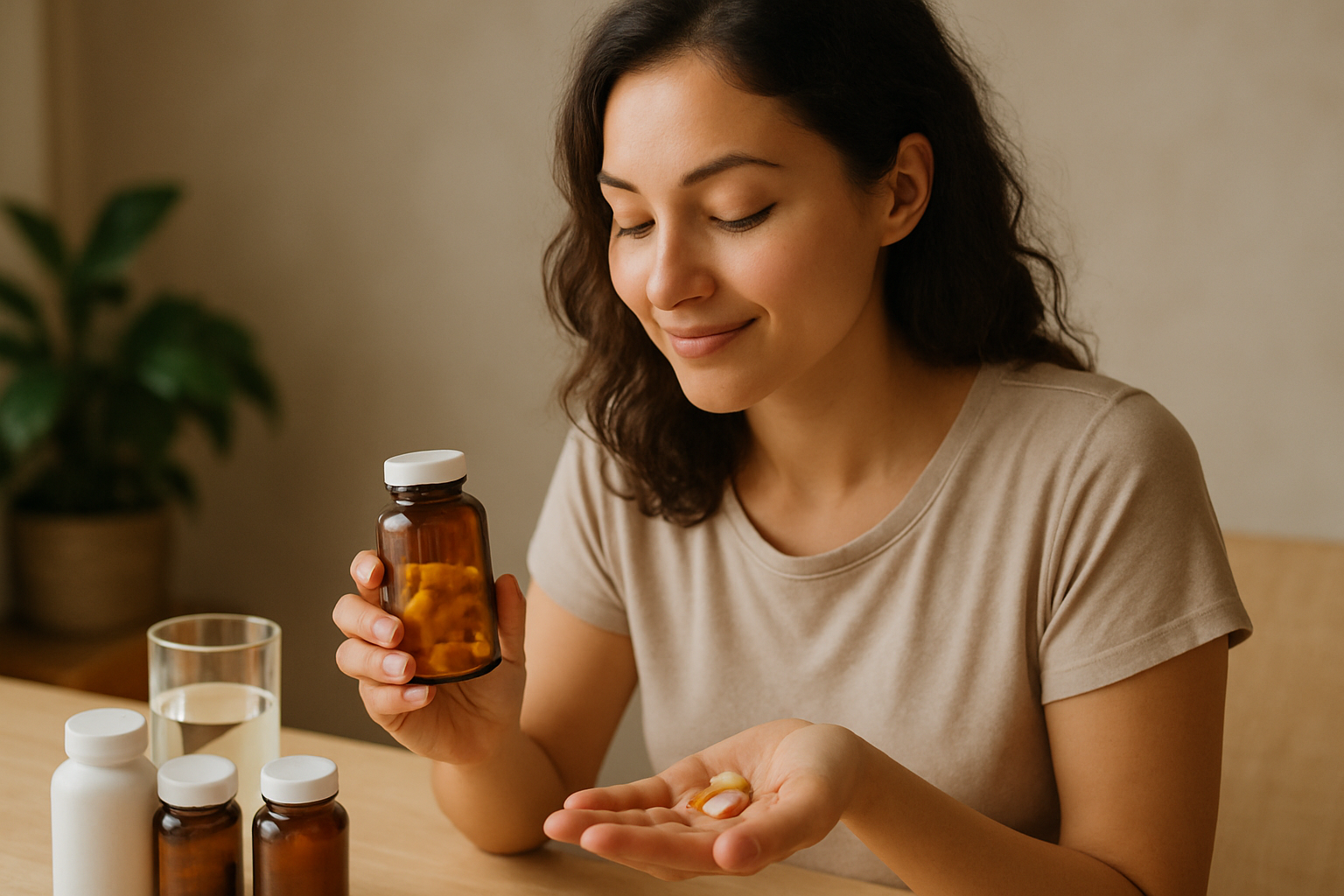
Supplements can be helpful tools for filling nutritional gaps or supporting specific needs. They are not replacements for good sleep, balanced nutrition, or stress management. Think of them as optional helpers that may support your body’s natural resilience.
Consistency matters most—small daily habits add up over time to create stronger foundations for your health.
Vitamin C: A Classic Choice for Immune Balance
Vitamin C is widely known for its role in supporting immune function and antioxidant protection. It helps the body manage oxidative stress, which is part of the immune response. Many people find Vitamin C supplements useful during colder months or periods of higher stress.
It’s commonly chosen by those wanting to support recovery and maintain energy throughout the day. Foods rich in Vitamin C, like citrus fruits and bell peppers, are a great base, but supplements may help fill in when diet falls short.
Zinc: Supporting Defense and Recovery
Zinc plays a crucial role in immune cell function and wound healing. It’s often used by people who experience frequent colds or want to support their immune response during seasonal changes.
Since the body doesn’t store zinc, regular intake through diet or supplements can be important. Foods like nuts, seeds, and legumes provide zinc naturally, but supplements may be helpful for some, especially if dietary intake is limited.
Vitamin D: More Than Just Bone Health
Vitamin D is essential for immune regulation and overall wellness. Many people have lower Vitamin D levels, especially in winter or if they spend a lot of time indoors. Supplementing Vitamin D may help maintain immune balance and support mood and energy.
It’s commonly chosen by individuals looking to age well and maintain daily vitality. A simple blood test can help determine if supplementation is right for you.
Glutathione and Antioxidants: The Body’s Clean-Up Crew
Glutathione is a powerful antioxidant your body produces to manage oxidative stress and support cellular health. It’s sometimes called the “master antioxidant” because of its essential role in protecting cells and supporting immune balance.
While direct glutathione supplements vary in effectiveness, supporting its production through nutrients like N-acetyl cysteine (NAC), selenium, and vitamins C and E is a practical approach. These antioxidants work together to help your body recover and maintain energy.
Nrf2 Activators: Encouraging Your Body’s Own Defense
Nrf2 is a protein that helps regulate the body’s antioxidant response. Certain plant compounds, such as sulforaphane found in broccoli sprouts, may gently activate Nrf2, encouraging your body’s natural defenses.
Including a variety of colorful vegetables and herbs in your diet is a simple way to support this system without relying solely on supplements.
Balancing Supplements with Lifestyle
Supplements often work best when combined with healthy lifestyle habits. Managing stress, prioritizing sleep, staying active, and eating nutrient-rich foods are the foundation of immune health.
Remember, supplements are optional tools—not requirements. They may help fill gaps but don’t replace the basics.
Try This Today: Simple Steps to Support Your Immune Health
- Include a daily source of Vitamin C: Add a serving of citrus, berries, or bell peppers to your meals to support antioxidant balance.
- Spend time outdoors safely: Aim for short daily sunlight exposure to encourage natural Vitamin D production.
- Choose colorful vegetables: Incorporate broccoli sprouts, leafy greens, and herbs to gently support your body’s antioxidant systems.
Gentle Guidance for Your Wellness Journey
Debra helps women improve wellness through nutrition and lifestyle, focusing on practical, sustainable steps. If you'd like help building a wellness routine that fits your life, Debra can help.
Products and Resources
Often chosen by people looking to support immune balance with antioxidant-rich supplements.
Offers a range of nutritional supplements designed to complement a healthy lifestyle.
Need a simpler wellness plan?
Debra works with women who want practical support, not perfection. If you want help creating a routine that fits your life, this is the right place to start.
Start with updatesKeep reading
These posts help build topical authority for search engines and keep readers moving naturally through Debra's best content.
Get Debra's updates
A quick note from Debbie, plus new posts on family life, nature, and wellness.