Quick takeaway
Small, repeatable changes usually beat dramatic resets. If this topic feels overwhelming, focus on one steady next step and build from there.
Understanding the Role of the Liver in Detoxification
The liver is often called the body’s natural filter. It plays a key role in processing everything we eat, drink, and breathe, helping to break down substances so they can be eliminated. Supporting liver health isn’t about quick cleanses or extreme diets—it’s about consistent, gentle care that fits into your busy life.
What Is Glutathione and Why Does It Matter?
Glutathione is a powerful antioxidant made by your body. Think of it as a hardworking helper inside your cells, especially in the liver. It helps neutralize harmful molecules, supports the immune system, and assists in the liver’s detoxification process. Because it’s made in the body, glutathione levels can fluctuate depending on factors like age, diet, stress, and environmental exposures.
How Glutathione Supports Liver Detoxification
When your liver processes toxins, it creates byproducts that can be damaging if not managed well. Glutathione steps in to bind with these byproducts, making them easier for your body to eliminate safely. This natural system helps keep your liver cells healthy and functioning optimally.
The Nrf2 Pathway: Your Body’s Defense Switch
One of the fascinating things about glutathione is how it interacts with a protein called Nrf2. This protein acts like a switch inside your cells, turning on the production of antioxidants and protective enzymes when your body senses stress or toxins. Supporting Nrf2 activation through lifestyle choices can boost your natural defenses, including glutathione levels.
Everyday Habits to Support Glutathione and Liver Health
Supporting your liver and glutathione production doesn’t require radical changes. Small, consistent steps can make a big difference over time. Here are some practical habits to consider:
- Eat a balanced diet: Include plenty of colorful vegetables like broccoli, spinach, and kale, which contain compounds that help boost glutathione.
- Prioritize protein: Glutathione is made from amino acids found in protein-rich foods such as beans, nuts, and lean meats.
- Stay hydrated: Water supports all your body’s detox pathways and keeps your liver functioning smoothly.
- Move regularly: Gentle exercise encourages circulation and supports metabolic health.
- Manage stress: Chronic stress can lower glutathione levels, so practices like mindfulness or deep breathing help maintain balance.
- Limit alcohol and processed foods: These can challenge your liver and deplete antioxidant reserves.
When Might Supplements Be Helpful?
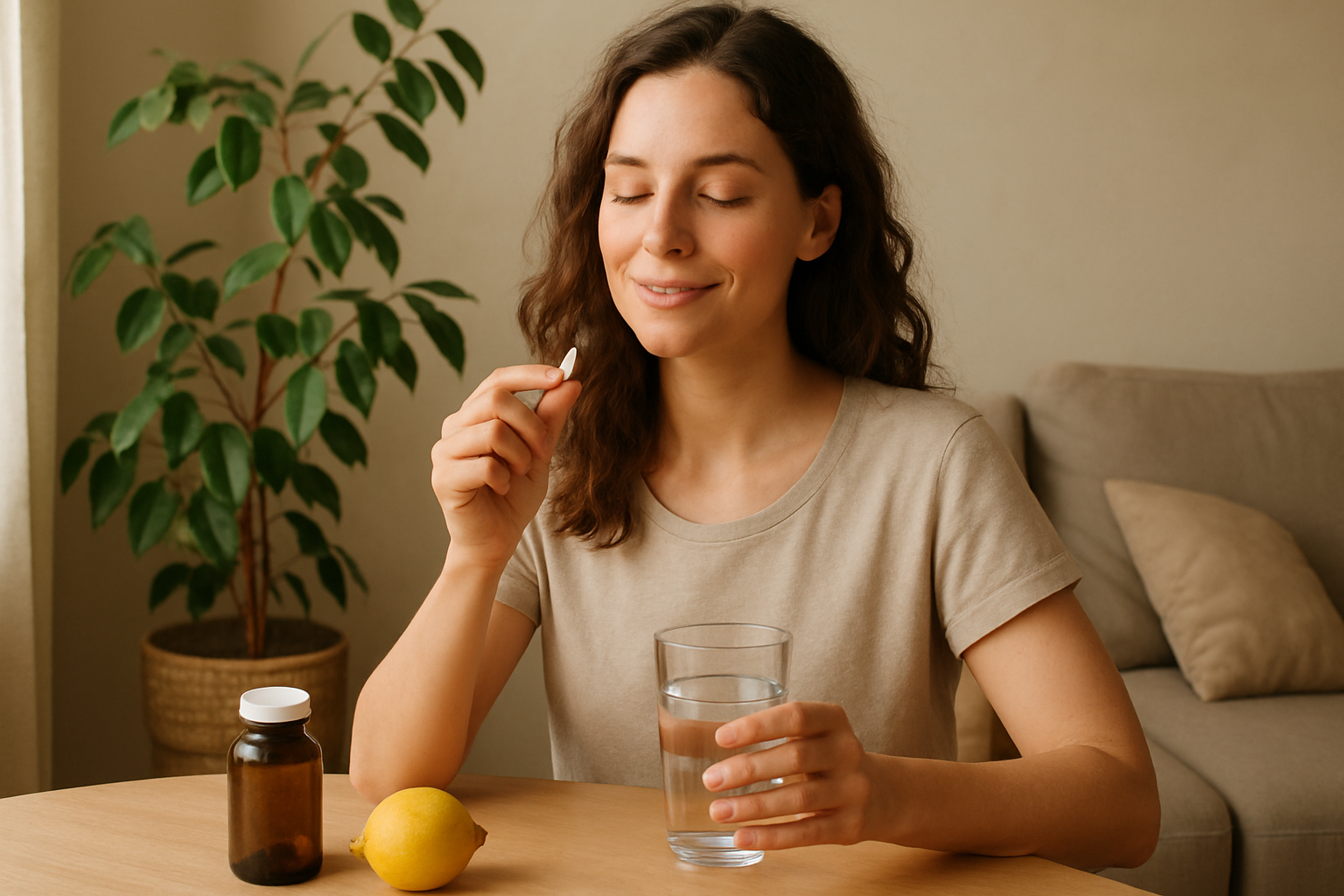
Some people choose to include supplements that support glutathione production or liver health, especially during times of increased stress or exposure to environmental toxins. Supplements like N-acetyl cysteine (NAC) provide building blocks for glutathione, while others support the Nrf2 pathway.
Remember, supplements are tools to complement—not replace—a healthy lifestyle. They may help individuals who feel fatigued, want immune balance, or are focused on aging well, but consistency with daily habits remains key.
Try This Today: Simple Steps to Nurture Your Liver and Glutathione Levels
- Add one sulfur-rich vegetable to your meals: Try steamed broccoli or sautéed garlic this week.
- Practice a 5-minute mindful breathing routine: Taking a moment to reduce stress supports your body’s natural defenses.
- Drink an extra glass of water daily: Hydration helps your liver flush out toxins efficiently.
Supporting Your Wellness Journey
Improving liver health and supporting glutathione is a journey of small, intentional actions. If you'd like help building a wellness routine that fits your life, Debra can help with personalized nutrition and lifestyle coaching designed to empower you, not overwhelm.
Products and Resources
Offers products commonly chosen by people supporting antioxidant and immune health.
Provides supplements that may help support liver and overall wellness routines.
Need a simpler wellness plan?
Debra works with women who want practical support, not perfection. If you want help creating a routine that fits your life, this is the right place to start.
Start with updatesKeep reading
These posts help build topical authority for search engines and keep readers moving naturally through Debra's best content.
Get Debra's updates
A quick note from Debbie, plus new posts on family life, nature, and wellness.