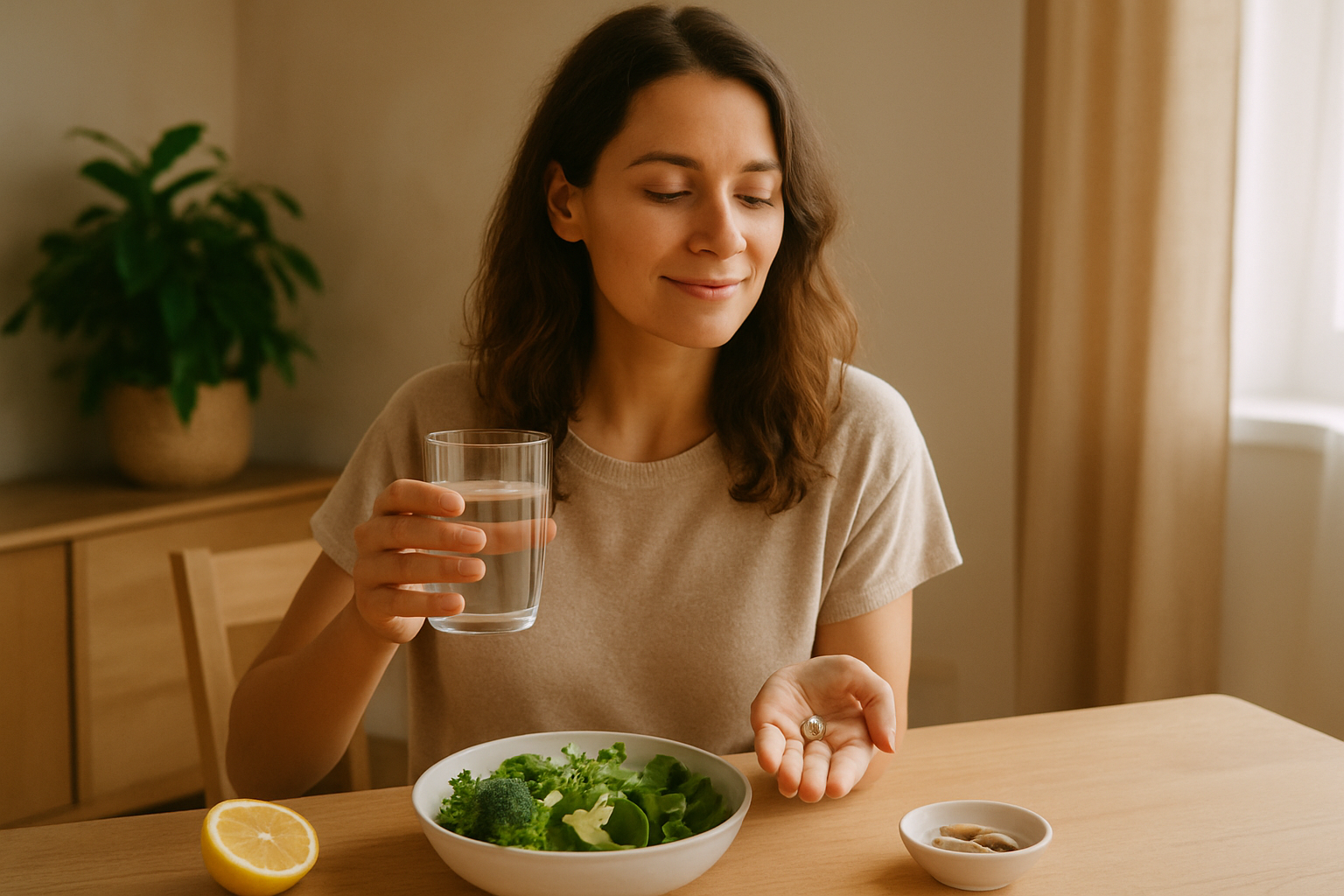
Quick takeaway
Small, repeatable changes usually beat dramatic resets. If this topic feels overwhelming, focus on one steady next step and build from there.
How to Boost Glutathione Naturally for Everyday Wellness
Glutathione is a powerful antioxidant that plays a key role in supporting your body’s natural defenses. It’s often called the “master antioxidant” because of its unique ability to neutralize harmful molecules and help keep your cells healthy. While glutathione is produced naturally in the body, many people wonder how they can support or boost their levels, especially as we age or face everyday stresses.
What Is Glutathione and Why Does It Matter?
Glutathione is a small molecule made from three amino acids. Think of it as your body’s internal cleanup crew, helping to protect cells from damage and supporting processes like energy production and immune balance. When glutathione levels are adequate, your body is better equipped to handle oxidative stress from things like pollution, exercise, and normal metabolism.
As we get older or experience chronic stress, glutathione levels can decline, which may affect how well our cells function. That’s why understanding how to support glutathione naturally can be a valuable part of a wellness routine.
How Your Body Makes Glutathione
Your liver is the main site where glutathione is produced. It uses dietary amino acids—cysteine, glutamine, and glycine—to build glutathione molecules. This means your diet plays a foundational role in supporting your body’s ability to make glutathione.
In addition to diet, certain lifestyle factors influence glutathione production. Regular physical activity, adequate sleep, and managing stress all contribute to maintaining healthy levels.
Nutrition Tips to Support Glutathione Naturally
Since glutathione is made from amino acids, focusing on nutrient-rich foods can help provide the building blocks your body needs.
- Eat sulfur-rich vegetables: Foods like broccoli, Brussels sprouts, kale, garlic, and onions contain sulfur compounds that support glutathione production.
- Include high-quality protein: Lean meats, fish, eggs, and plant-based proteins like beans and lentils supply amino acids essential for glutathione synthesis.
- Enjoy vitamin C-rich fruits: Citrus fruits, berries, and bell peppers help recycle glutathione and support antioxidant balance.
- Consider selenium sources: Brazil nuts, sunflower seeds, and seafood provide selenium, a mineral that supports enzymes related to glutathione activity.
Incorporating these foods regularly can gently support your body’s natural antioxidant defenses without requiring drastic dietary changes.
Movement and Glutathione: Why Exercise Matters
Engaging in moderate physical activity is one of the best ways to encourage your body’s antioxidant systems, including glutathione. Exercise creates mild oxidative stress, signaling your cells to boost their defense mechanisms. Over time, this can lead to increased glutathione production and improved resilience.
Walking, yoga, swimming, or light strength training are all excellent choices that fit into busy schedules. The key is consistency—finding enjoyable ways to move regularly supports long-term wellness.
Stress, Sleep, and Glutathione
Chronic stress and poor sleep can deplete glutathione levels, making it harder for your body to keep up with daily demands. Prioritizing stress management techniques, such as mindfulness, deep breathing, or gentle stretching, can help protect your antioxidant balance.
Similarly, quality sleep supports natural repair processes and glutathione recycling. Aim for consistent, restful sleep by creating a calming bedtime routine and minimizing screen time before bed.
Natural Compounds That Support Glutathione Production
Some natural compounds are commonly chosen by people looking to support glutathione levels. These include:
- N-acetylcysteine (NAC): A supplement form of cysteine that may help provide the raw materials for glutathione synthesis.
- Alpha-lipoic acid: An antioxidant that works alongside glutathione to support cellular health.
- Milk thistle: Traditionally used to support liver health, which is important for glutathione production.
Keep in mind that supplements are optional tools and may help certain individuals, especially those with increased oxidative stress or specific health concerns. It’s always a good idea to consult with a healthcare provider or wellness coach to find what fits best with your lifestyle.
Try This Today: Simple Steps to Support Your Glutathione
- Add a serving of sulfur-rich veggies: Try roasting broccoli or sautéing garlic with your meals this week.
- Move your body for at least 20 minutes: Choose a walk, gentle yoga, or any activity you enjoy and can do consistently.
- Practice a 5-minute stress break: Pause midday to take a few deep breaths or stretch to help reset your nervous system.
Small, consistent choices like these support your body’s natural glutathione production and overall wellness.
Supporting Your Wellness Journey
Glutathione isn’t a quick-fix solution but rather one piece of a balanced approach to aging well, sustaining energy, and maintaining immune balance. Debra Jensen helps women build wellness routines rooted in nutrition and lifestyle that fit real life, with support that feels encouraging and doable.
If you’d like help creating a personalized plan that supports your health goals, Debra can help guide you with coaching and practical strategies.
Products and Resources
Offers nutritional supplements often chosen to support antioxidant balance and healthy aging.
A supplement blend commonly used to support stress response and overall balance.
Need a simpler wellness plan?
Debra works with women who want practical support, not perfection. If you want help creating a routine that fits your life, this is the right place to start.
Start with updatesKeep reading
These posts help build topical authority for search engines and keep readers moving naturally through Debra's best content.
Get Debra's updates
A quick note from Debbie, plus new posts on family life, nature, and wellness.