Quick takeaway
Small, repeatable changes usually beat dramatic resets. If this topic feels overwhelming, focus on one steady next step and build from there.
How to Enhance Your Antioxidant Intake for Everyday Wellness
Antioxidants are often talked about in the health world, but what are they really? Simply put, antioxidants are compounds that help protect your body’s cells from damage caused by everyday stressors like pollution, UV light, or even normal metabolism. This damage is sometimes called oxidative stress, and over time, it can contribute to feelings of fatigue, slower recovery, and challenges with aging well.
The good news is that by making small, consistent choices in your diet and lifestyle, you can support your body’s antioxidant defenses. Whether you’re juggling a busy schedule, focusing on aging gracefully, or just want more balanced energy, enhancing your antioxidant intake is a valuable step. Let’s explore how.
Understanding Antioxidants and Why They Matter
Your body naturally produces some antioxidants, like glutathione, which is often called the “master antioxidant.” It helps neutralize harmful molecules and supports detoxification. Another key player is a protein called Nrf2, which helps regulate antioxidant production inside your cells.
Eating antioxidant-rich foods and engaging in healthy habits can support these natural systems. It’s not about quick fixes or magic pills, but about steady, thoughtful choices that add up over time.
Load Up on Colorful, Whole Foods
One of the simplest and most effective ways to enhance antioxidant intake is through your diet. Plants produce antioxidants to protect themselves—and when you eat a variety of fruits, vegetables, nuts, and seeds, you benefit from a broad spectrum of these protective compounds.
- Fruit: Berries, cherries, oranges, and apples are rich in vitamins C and E, flavonoids, and other antioxidants.
- Vegetables: Leafy greens like spinach and kale, as well as brightly colored veggies such as carrots, peppers, and beets, provide carotenoids and polyphenols.
- Whole Grains and Nuts: Almonds, walnuts, and oats bring vitamin E and other antioxidants that support heart and brain health.
- Herbs and Spices: Turmeric, cinnamon, and ginger are flavorful ways to add antioxidant support.
Try to include a variety of these in your meals daily. Think of antioxidants as the colorful armor on your plate that helps your body stay resilient.
Mind Your Cooking Methods
How you prepare your food can affect antioxidant levels. For example, overcooking vegetables can reduce some antioxidants, while gentle steaming or roasting helps preserve them. Using healthy fats like olive oil can also improve absorption of fat-soluble antioxidants such as carotenoids.
Balancing flavor and nutrition is part of making healthy eating enjoyable and sustainable.
Stay Active but Avoid Excess Stress
Physical activity encourages your body to produce antioxidants naturally. Regular, moderate exercise supports Nrf2 activation, helping your cells adapt to stress.
However, intense or prolonged exercise without adequate recovery can increase oxidative stress, so it’s important to listen to your body. Rest, sleep, and stress management practices like meditation or gentle yoga complement your antioxidant efforts.
Consider Optional Supplements Thoughtfully
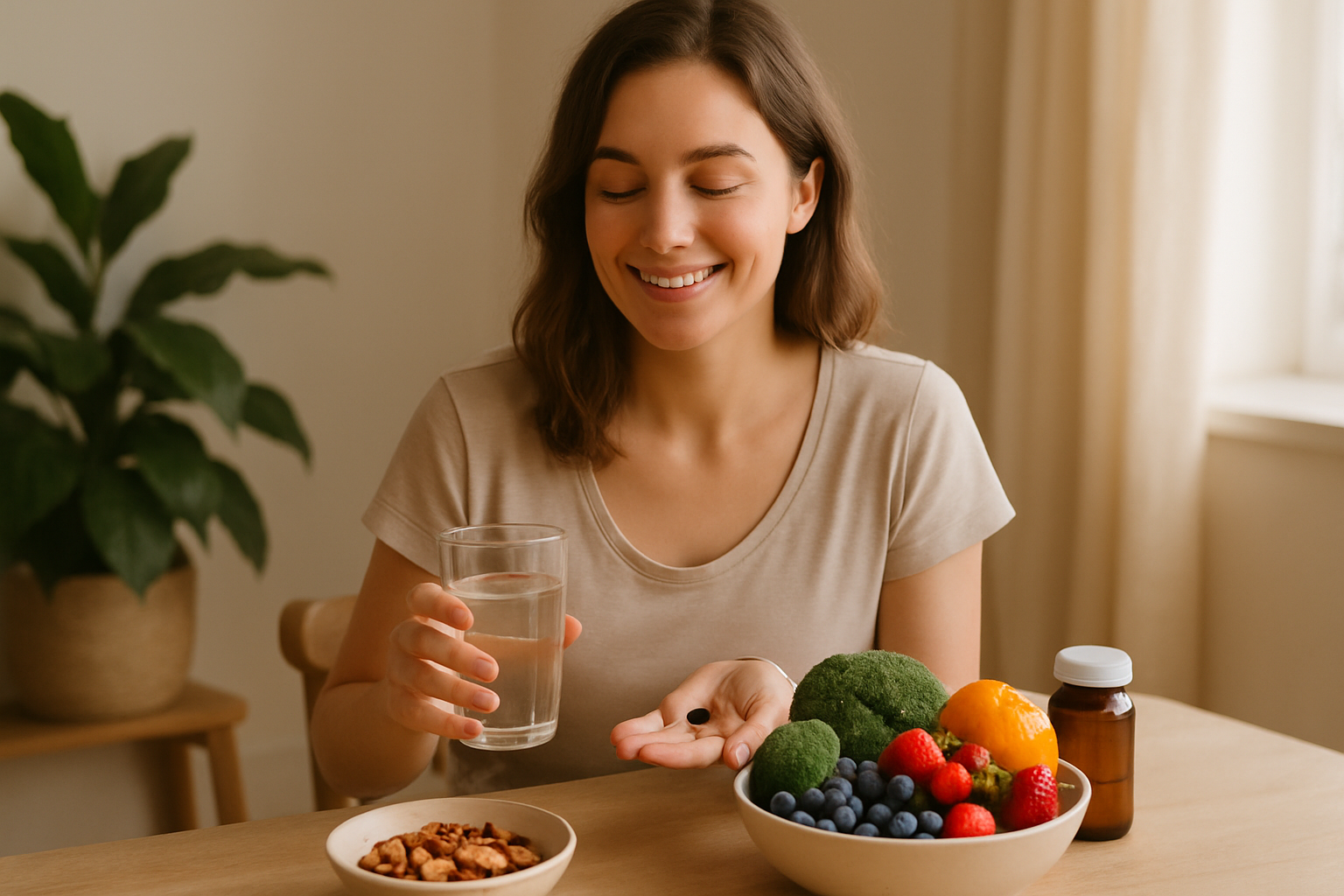
While whole foods are the foundation, some people may find supplements helpful, especially if their diet is limited or they face specific challenges like aging or recovery from illness.
Supplements often chosen for antioxidant support include those containing vitamins C and E, glutathione precursors, or plant-based antioxidants like green tea extract or turmeric. They may help fill gaps but are most effective when paired with a balanced diet and lifestyle.
If you’re curious about supplements, working with a knowledgeable coach or healthcare provider can help you choose what fits your needs and avoid unnecessary or excessive use.
Hydrate and Prioritize Sleep
Water is essential for all your body’s functions, including the natural antioxidant systems. Staying well-hydrated supports detoxification and cellular health.
Sleep is another cornerstone. During deep sleep, your body repairs and replenishes antioxidant stores. Prioritizing quality sleep each night creates a foundation for your antioxidant defenses to work optimally.
Try This Today: 3 Simple Steps to Boost Antioxidants
- Add a serving of berries or a colorful vegetable to one meal. For example, toss spinach into your morning smoothie or snack on blueberries.
- Swap your cooking method to steaming or roasting instead of frying. This helps preserve antioxidants and keeps meals lighter.
- Take 10 minutes for mindful movement or gentle stretching. Supporting your body’s natural antioxidant production through moderate activity helps balance stress.
Building Wellness with Confidence
Enhancing antioxidant intake is not about chasing perfection or making drastic changes overnight. It’s about learning what supports your body and making consistent, manageable choices that fit your life.
Debra helps women improve wellness through nutrition and lifestyle coaching, focusing on practical, empowering strategies rather than quick fixes. If you’d like help building a wellness routine that fits your life and supports your body’s natural defenses, Debra can help.
Products and Resources
Often chosen by people who want supplemental antioxidant support to complement their healthy lifestyle.
May help support stress balance and antioxidant systems when life feels overwhelming.
Need a simpler wellness plan?
Debra works with women who want practical support, not perfection. If you want help creating a routine that fits your life, this is the right place to start.
Start with updatesKeep reading
These posts help build topical authority for search engines and keep readers moving naturally through Debra's best content.
Get Debra's updates
A quick note from Debbie, plus new posts on family life, nature, and wellness.