Quick takeaway
Small, repeatable changes usually beat dramatic resets. If this topic feels overwhelming, focus on one steady next step and build from there.
Understanding Glutathione: Your Body’s Master Antioxidant
Glutathione is often called the body’s “master antioxidant” because it plays a key role in protecting your cells from damage, supporting your immune system, and helping your body detoxify. Think of it as a hardworking helper inside your cells, constantly busy keeping you balanced and resilient. As we age or face daily stresses, glutathione levels can decline, which is why many people look for natural ways to keep their levels steady and healthy.
Why Supporting Glutathione Matters in Daily Life
Maintaining healthy glutathione levels isn’t about chasing a quick fix or miracle cure. Instead, it’s about nurturing your body’s ability to recover, manage stress, and stay energized over the long haul. For busy women balancing work, family, and self-care, small, consistent habits can make a meaningful difference in how you feel each day.
Nutrition: Feeding Your Body’s Glutathione Production
Your body makes glutathione from amino acids, so eating a balanced diet with plenty of fresh, whole foods is a great starting point. Some nutrients and foods that support glutathione include:
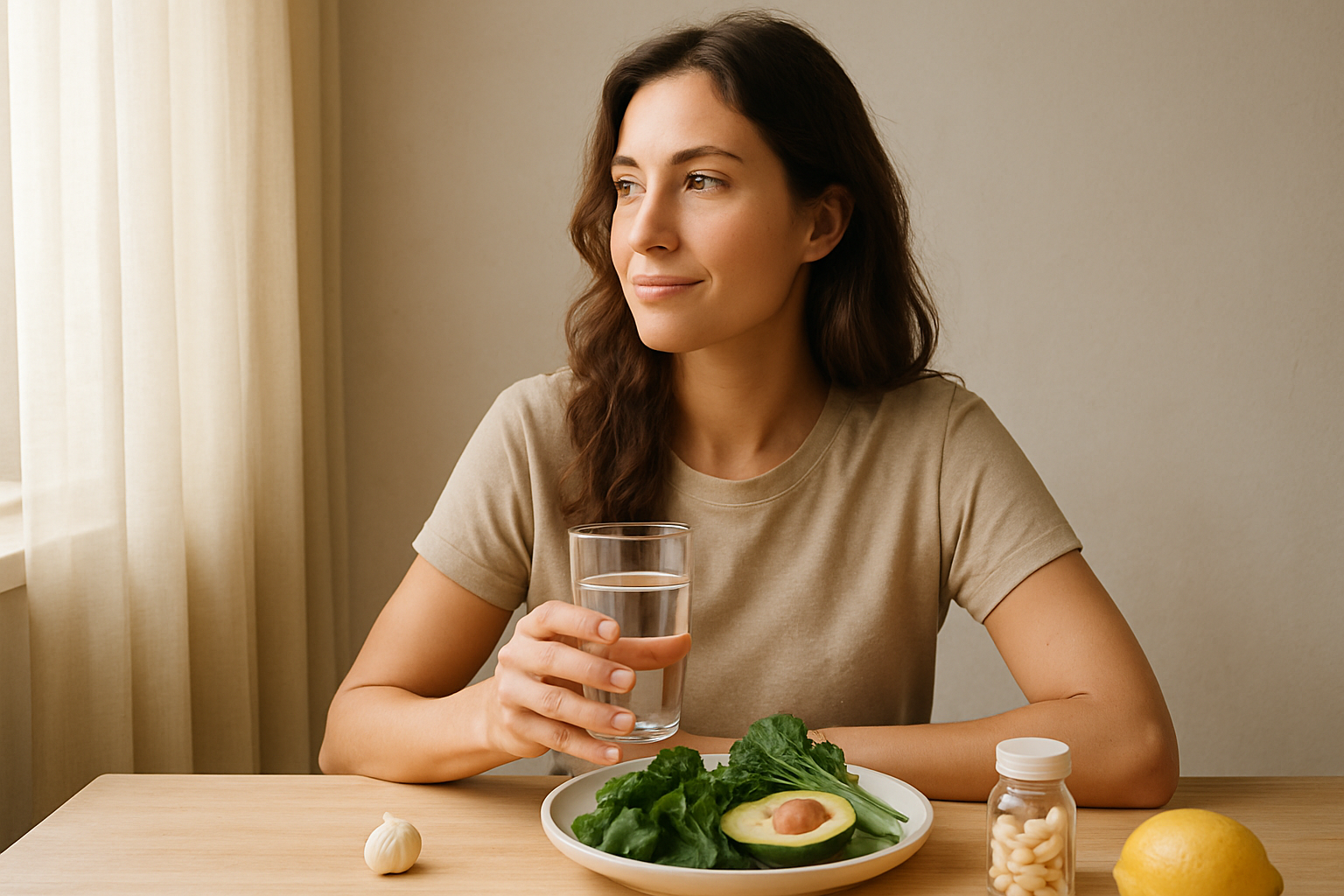
- Sulfur-rich foods: Garlic, onions, broccoli, Brussels sprouts, and kale are great sources that provide sulfur, an important building block.
- Vitamin C: Found in citrus fruits, strawberries, and bell peppers, vitamin C helps recycle glutathione, keeping it active in your body.
- Vitamin E: Nuts, seeds, and spinach contain vitamin E, which works alongside glutathione as an antioxidant.
- Whey protein: This high-quality protein source offers amino acids that can support glutathione production.
Cooking methods matter too—light steaming preserves nutrients better than boiling, so aim for gentle cooking techniques when preparing vegetables.
Movement and Rest: Supporting Your Body’s Natural Rhythm
Regular physical activity helps your body’s natural antioxidant systems, including glutathione, stay active and responsive. You don’t need to run marathons—a daily walk, yoga, or gentle stretching can support your body’s resilience. Adequate sleep and stress management are equally important, as chronic stress and poor rest can deplete glutathione over time.
How Nrf2 Activation Supports Glutathione
Nrf2 is a protein in your cells that acts like a “switch” for antioxidant defenses, including glutathione production. Certain lifestyle choices and foods can help activate Nrf2 gently, encouraging your body to maintain its protective systems. Foods like turmeric, green tea, and cruciferous vegetables are often chosen by people who want to support this natural process.
Optional Support: Supplements and Their Role
Some people explore supplements to support glutathione levels or the pathways that influence it. Supplements such as N-acetylcysteine (NAC), alpha-lipoic acid, and liposomal glutathione are commonly chosen by those looking for extra support, especially during times of increased stress or recovery. While these can be helpful, they’re best seen as tools that complement a healthy lifestyle rather than quick solutions.
Consistency Over Perfection: Small Choices Add Up
The best way to support your glutathione levels is through steady, mindful habits that fit your life. Instead of aiming for perfection, focus on adding nourishing foods, gentle movement, and restful sleep into your daily routine. Over time, these choices build a foundation for better energy, immune balance, and overall wellness.
Try This Today: 3 Simple Steps to Support Glutathione
- Include a serving of sulfur-rich vegetables like broccoli or kale in at least one meal today.
- Take a short walk outside to move your body and reduce stress.
- Prioritize 7-8 hours of restful sleep tonight to support recovery.
How Debra Can Help
If you'd like help building a wellness routine that fits your life, Debra can help. She supports women in improving their wellness through nutrition and lifestyle strategies that feel manageable and authentic. With gentle guidance, you can find daily habits that nurture your body’s natural resilience.
Products and Resources
Offers products often chosen for supporting antioxidant health and glutathione levels.
Provides supplements and wellness products designed to support overall balance and vitality.
Need a simpler wellness plan?
Debra works with women who want practical support, not perfection. If you want help creating a routine that fits your life, this is the right place to start.
Start with updatesKeep reading
These posts help build topical authority for search engines and keep readers moving naturally through Debra's best content.
Get Debra's updates
A quick note from Debbie, plus new posts on family life, nature, and wellness.