Quick takeaway
Small, repeatable changes usually beat dramatic resets. If this topic feels overwhelming, focus on one steady next step and build from there.
Why Muscle Recovery Matters
After exercise, our muscles need time and the right nutrients to recover and grow stronger. Muscle recovery is a vital process that helps reduce soreness, repair tiny muscle fibers, and prepare the body for the next workout.
Protein plays a central role in this process, as it provides the building blocks (amino acids) necessary for muscle repair. While animal proteins have been traditionally emphasized, plant-based proteins offer a nourishing, sustainable, and often gentler alternative.
Understanding Plant-Based Protein
Plant-based proteins come from a variety of sources such as legumes, grains, nuts, seeds, and vegetables. Unlike animal proteins, many plant proteins are lower in certain essential amino acids, but combining different plant foods can create a complete amino acid profile.
Common plant protein sources include:
- Beans and lentils
- Quinoa and brown rice
- Chia and flax seeds
- Tofu, tempeh, and edamame
- Nuts and nut butters
- Whole grains like oats and barley
Key Amino Acids for Muscle Repair
Muscle recovery depends on certain amino acids that help rebuild muscle fibers and reduce inflammation. One of the most important is leucine, a branched-chain amino acid (BCAA) that signals muscle protein synthesis.
While some plant proteins have lower leucine levels compared to animal sources, eating a varied plant-based diet typically covers these needs. For example, soy, quinoa, and pumpkin seeds tend to have higher leucine content.
Benefits of Plant-Based Protein for Recovery
Choosing plant-based proteins can offer additional benefits beyond muscle repair:
- Rich in antioxidants: Many plant foods contain antioxidants that help combat exercise-induced oxidative stress.
- Anti-inflammatory properties: Plant compounds may support reduced inflammation, aiding recovery.
- Digestive comfort: Plant proteins often come with fiber, which supports gut health and sustained energy.
- Supports overall wellness: A plant-rich diet contributes to heart health, immune balance, and energy levels.
How Much Protein Do You Need for Recovery?
Protein needs vary depending on factors like activity level, age, and goals. For muscle recovery, a general guideline is 1.2 to 2.0 grams of protein per kilogram of body weight per day.
Spacing protein intake evenly throughout the day helps maintain amino acid availability for repair. Many find it helpful to include a protein source in every meal and snack.
Incorporating Plant Protein into Your Routine
Here are some practical ways to boost plant protein for recovery:
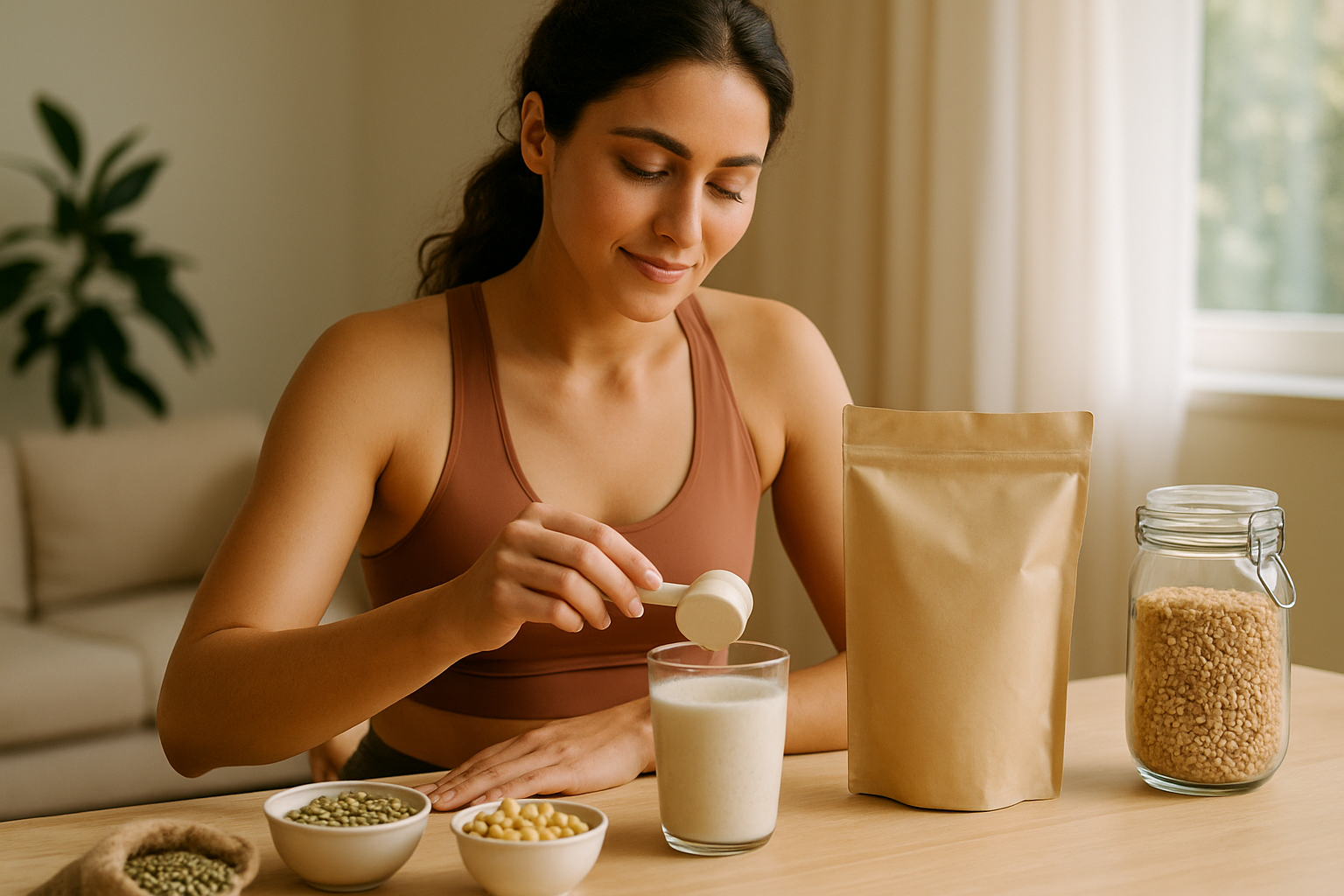
- Smoothies: Add pea protein powder, hemp seeds, or nut butters to your post-workout smoothie.
- Meals: Include lentils, chickpeas, or quinoa in salads, bowls, or soups.
- Snacks: Choose roasted chickpeas, trail mix with nuts and seeds, or edamame pods.
- Cooking swaps: Use tofu or tempeh as a protein-rich meat substitute in stir-fries and casseroles.
Considerations for Plant-Based Recovery Nutrition
While plant proteins are versatile, a few tips help optimize their benefits:
- Combine proteins: Mix different sources (e.g., grains and legumes) to ensure a full amino acid profile.
- Focus on nutrient density: Include colorful vegetables and healthy fats alongside proteins.
- Stay hydrated: Water supports nutrient transport and muscle function during recovery.
- Listen to your body: Adjust quantities and timing based on how you feel and perform.
Try This Today: Simple Steps to Support Muscle Recovery with Plant Protein
Here are three concrete steps you can take to start incorporating plant-based protein for better recovery:
- Plan a balanced post-workout meal: Include a plant protein source like lentils or tofu, paired with whole grains and vegetables.
- Add a plant protein powder to your smoothie: Pea or hemp protein powders are easy to digest and blend well.
- Snack smart: Keep roasted chickpeas or mixed nuts handy for a protein-rich snack that supports recovery.
Products and Resources
This site offers products that support overall wellness and immune balance, which can complement your recovery routine.
Beneve provides plant-based nutritional supplements that many people use to support energy and recovery.
Need a simpler wellness plan?
Debra works with women who want practical support, not perfection. If you want help creating a routine that fits your life, this is the right place to start.
Start with updatesKeep reading
These posts help build topical authority for search engines and keep readers moving naturally through Debra's best content.
Get Debra's updates
A quick note from Debbie, plus new posts on family life, nature, and wellness.