Quick takeaway
Small, repeatable changes usually beat dramatic resets. If this topic feels overwhelming, focus on one steady next step and build from there.
Plant-Based Protein for Muscle Recovery: A Practical Guide
Whether you’re an active woman juggling a busy schedule, focused on aging well, or simply aiming to improve your everyday wellness, muscle recovery is an important part of staying energized and balanced. Protein plays a key role in this process, helping repair the tiny stresses your muscles experience during movement.
If you’re exploring plant-based protein as part of your nutrition, you’re not alone. Many women are choosing plant sources for their protein needs, often appreciating the variety, sustainability, and nutritional benefits they offer. This guide will help you understand how plant-based protein supports muscle recovery and how to include it in a way that fits your life.
Why Muscle Recovery Matters
When you exercise or do any physical activity, your muscles undergo small amounts of wear and tear. Recovery is the body’s way of repairing that damage, helping muscles grow stronger and more resilient over time. Beyond exercise, recovery also helps reduce soreness, maintain energy levels, and support overall wellness.
Protein is one of the essential nutrients involved in this repair process. It provides the building blocks—amino acids—that your muscles need to rebuild. Getting enough protein consistently supports this natural cycle and helps you feel your best day to day.
Understanding Plant-Based Protein
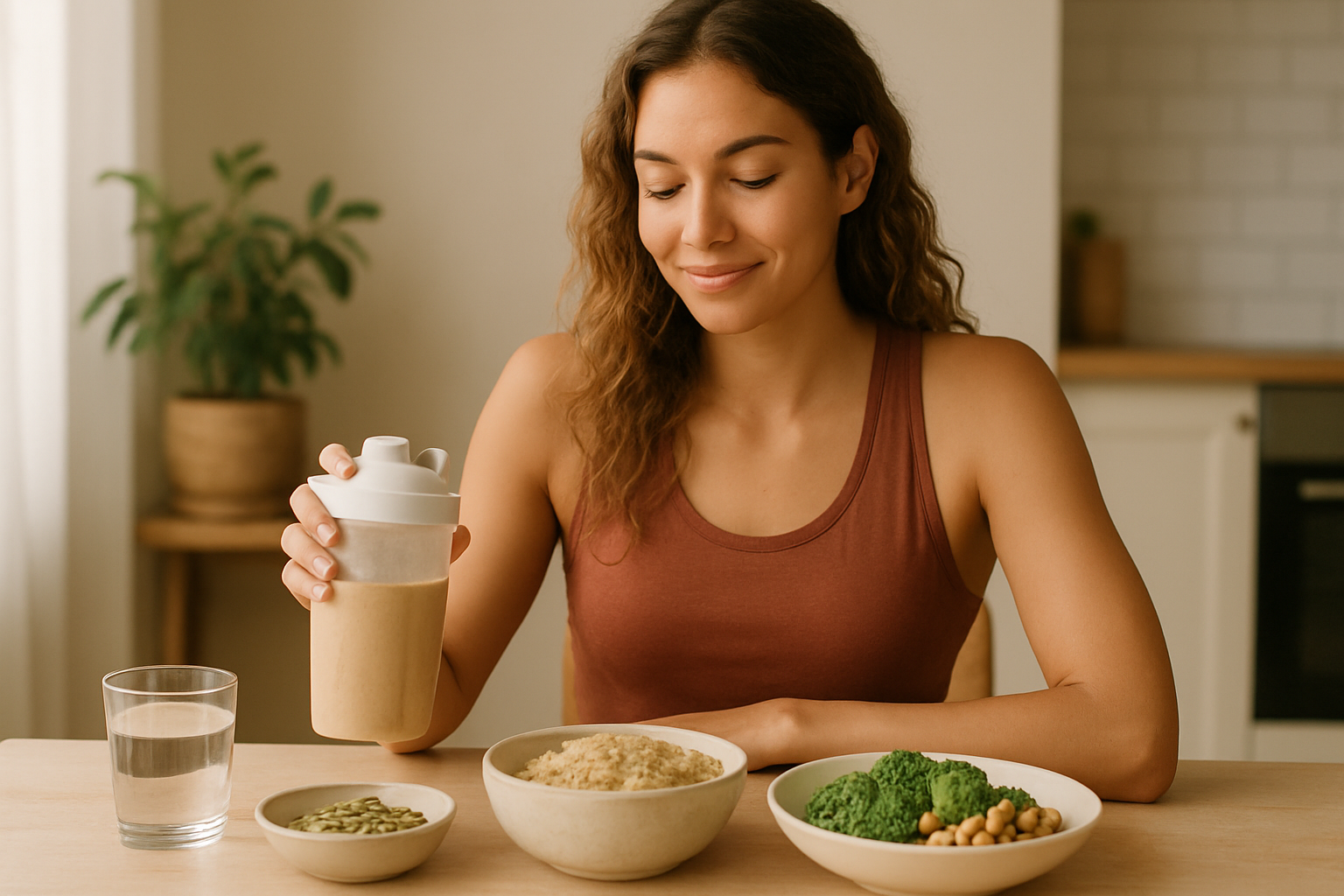
Plant-based proteins come from foods like beans, lentils, peas, nuts, seeds, grains, and some vegetables. Unlike animal proteins, which usually contain all the essential amino acids in one source, plant proteins can vary. This means combining different plant foods throughout the day helps ensure you get a complete amino acid profile.
Some common plant-based protein sources include:
- Legumes: Lentils, chickpeas, black beans, and peas
- Whole Grains: Quinoa, brown rice, oats
- Nuts and Seeds: Almonds, chia seeds, hemp seeds, pumpkin seeds
- Soy Products: Tofu, tempeh, edamame
Many plant proteins also provide fiber, antioxidants, and other nutrients that support overall health, including immune balance and steady energy. These benefits complement the muscle-repairing role of protein.
Simple Science: Glutathione, Antioxidants, and Nrf2
Plant-based diets often come with a boost in antioxidants—compounds that help protect your cells from everyday stress. One important antioxidant your body produces is glutathione, which supports cell repair and immune function.
Nrf2 is a natural protein in your body that helps activate antioxidant defenses like glutathione. Eating a variety of plant foods can encourage this process, supporting your body’s ability to recover not just muscles but also tissues and organs from daily wear.
This means that plant-based proteins offer more than just amino acids—they may also support recovery through antioxidant pathways, helping you feel more resilient overall.
Incorporating Plant-Based Protein Into Your Routine
Adding plant-based protein to your meals doesn’t have to be complicated. Here are some practical tips to get started:
- Mix and match: Combine grains like quinoa or brown rice with beans or lentils for a complete protein.
- Snack smart: Choose nuts, seeds, or nut butters for quick protein boosts between meals.
- Try soy: Tofu or tempeh are versatile and easy to prepare options rich in protein.
- Use plant protein powders: Pea, rice, or hemp protein powders can be convenient for shakes or adding to recipes.
- Plan for variety: Different plant foods offer different nutrients, so aim for colorful, diverse meals.
Who May Benefit Most from Plant-Based Protein?
Plant-based protein is often chosen by people who want to support muscle recovery without relying on animal products, those who appreciate the added fiber and antioxidants, or anyone interested in sustainable nutrition. It can be especially helpful for:
- Women focused on healthy aging, who want to maintain muscle strength and energy
- Busy individuals looking for nourishing, easy-to-digest options
- People managing inflammation or digestive health alongside their fitness goals
It’s important to remember that consistency matters more than perfection. Small, regular choices add up over time.
Plant-Based Protein and Daily Wellness Habits
Muscle recovery is just one piece of your overall wellness. Balanced meals that include plant-based protein, paired with rest, hydration, and gentle movement, help create a foundation for feeling strong and capable.
Supporting your body with nutrient-rich foods also encourages steady energy, immune balance, and mental clarity. These everyday habits become the building blocks of a healthy lifestyle that fits your unique rhythm.
Try This Today: 3 Simple Steps to Support Muscle Recovery
- Add a plant protein to your lunch: Try a quinoa and chickpea salad with plenty of fresh veggies.
- Snack on seeds or nuts: Keep a small bag of almonds or pumpkin seeds handy for a quick, nourishing bite.
- Hydrate and rest: Drink water throughout the day and prioritize sleep to help your muscles recover naturally.
If you'd like help building a wellness routine that fits your life, Debra can help. Through gentle coaching, she supports women in making nutrition and lifestyle choices that feel empowering and sustainable.
Products and Resources
A source for plant-based nutritional supplements that may help support your wellness and recovery goals.
Convenient options to add protein to smoothies or recipes, often used by people who want an easy plant protein boost.
Need a simpler wellness plan?
Debra works with women who want practical support, not perfection. If you want help creating a routine that fits your life, this is the right place to start.
Start with updatesKeep reading
These posts help build topical authority for search engines and keep readers moving naturally through Debra's best content.
Get Debra's updates
A quick note from Debbie, plus new posts on family life, nature, and wellness.