Quick takeaway
Small, repeatable changes usually beat dramatic resets. If this topic feels overwhelming, focus on one steady next step and build from there.
Understanding Glutathione: Your Body’s Master Antioxidant
Glutathione is a small but mighty molecule made inside your cells. Often called the “master antioxidant,” it helps protect your body from everyday stressors like pollution, tiredness, and inflammation. It also supports your immune system and helps your cells stay healthy as you age.
While your body naturally produces glutathione, factors like aging, stress, diet, and environmental exposure can lower its levels. That’s why supporting glutathione production through nutrition and lifestyle can be a helpful part of maintaining overall wellness.
What Does Whey Protein Have to Do with Glutathione?
Whey protein, a byproduct of cheese-making, is often recognized for its high-quality protein content and its role in muscle recovery. But it also contains amino acids—especially cysteine—that are key building blocks for glutathione.
Cysteine is sometimes called a “rate-limiting” amino acid because your body needs enough of it to produce glutathione efficiently. Whey protein is one of the richest natural sources of cysteine, making it a practical and accessible way to support glutathione production.
How Does Supporting Glutathione Help in Real Life?
Keeping glutathione levels healthy can contribute to several everyday wellness benefits, including:
- Energy and recovery: Glutathione helps your cells manage oxidative stress that builds up during exercise or busy days, supporting better recovery and sustained energy.
- Immune balance: A well-functioning antioxidant system supports your body’s natural defense mechanisms without overreaction.
- Healthy aging: Glutathione may help protect cells from damage that accumulates with age, promoting vitality and resilience.
While it’s not a quick fix, making small, consistent choices that support glutathione production can add up to meaningful health support over time.
What Makes Whey Protein a Helpful Tool?
Whey protein is often chosen by people who want a natural, food-based way to support their antioxidant systems. It’s convenient, versatile, and can fit into many lifestyles—whether you’re a busy professional, an active mom, or someone focused on aging well.
Some benefits of including whey protein in your routine include:
- Providing essential amino acids for muscle repair and overall nutrition
- Supporting glutathione production through cysteine content
- Easy to add to smoothies, oatmeal, or recipes for a nutritional boost
How Does This Connect to Antioxidant Pathways Like Nrf2?
Nrf2 is a natural protein in your body that helps turn on antioxidant defenses, including glutathione production. When activated, Nrf2 encourages your cells to produce more antioxidants to stay balanced and protected.
Supporting glutathione through whey protein complements these pathways by ensuring your body has the building blocks it needs to respond effectively to everyday challenges.
Incorporating Whey Protein Into a Balanced Lifestyle
Whey protein can be a useful part of a well-rounded wellness routine, but it’s best thought of as one piece of the puzzle. Eating a variety of nutrient-rich foods, managing stress, moving your body regularly, and getting enough rest are all important steps too.
Remember, consistency beats quick fixes. Small daily habits build the foundation for your long-term health.
Try This Today: 3 Simple Steps to Support Glutathione with Whey Protein
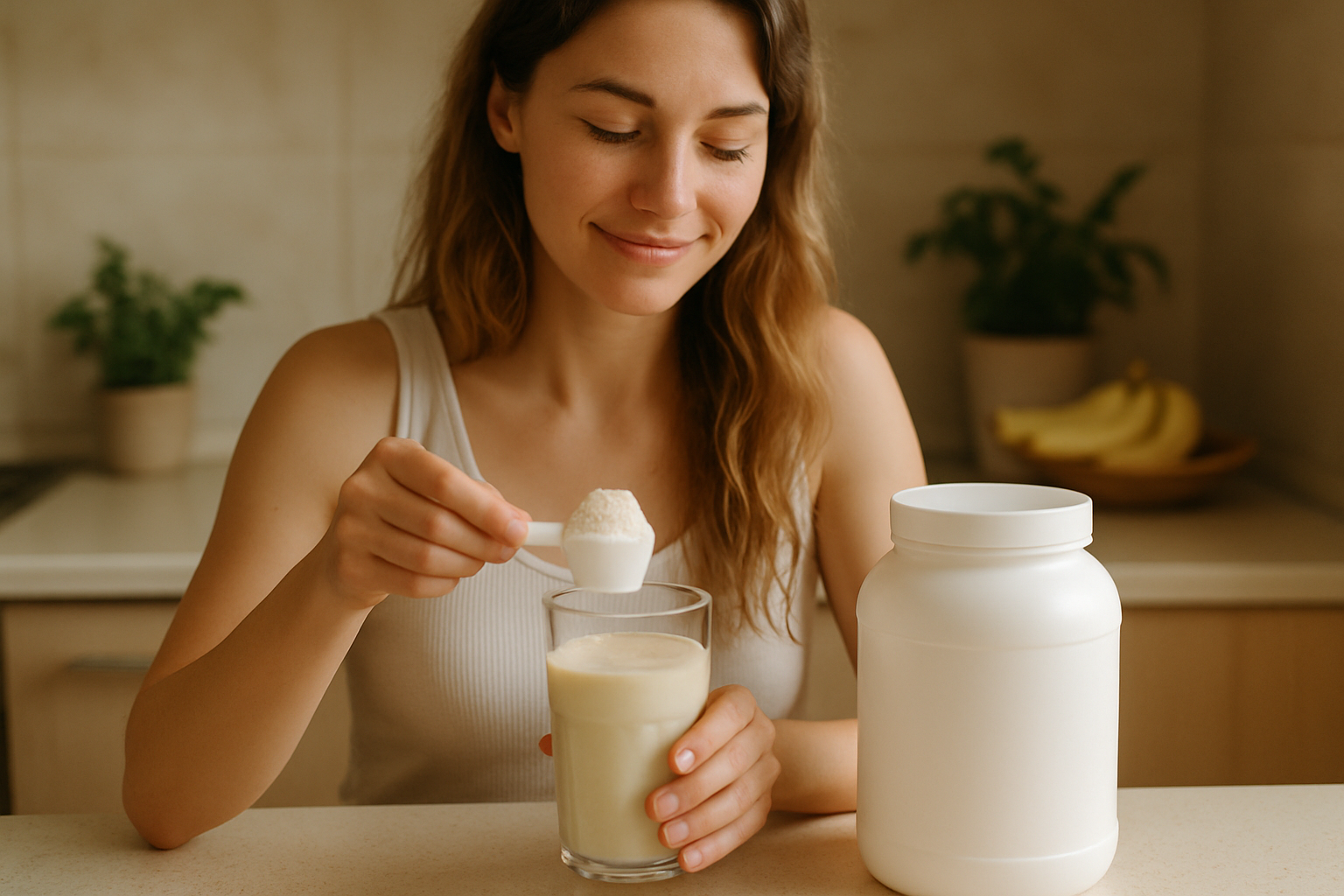
- Add a scoop of whey protein: Mix whey protein into your morning smoothie or oatmeal for an easy nutrient boost.
- Focus on variety: Include fresh fruits, vegetables, and whole foods that provide vitamins and minerals supporting antioxidant health.
- Prioritize rest and stress management: Gentle movement, mindfulness, and good sleep help your body maintain balance and support natural glutathione production.
Supporting Your Wellness Journey
Debra Jensen helps women improve wellness through nutrition and lifestyle choices that fit real life. If you'd like help building a wellness routine that fits your life, Debra can help.
Products and Resources
Offers supplements often chosen to support antioxidant health and glutathione production.
Provides products designed to support immune balance and antioxidant systems naturally.
Need a simpler wellness plan?
Debra works with women who want practical support, not perfection. If you want help creating a routine that fits your life, this is the right place to start.
Start with updatesKeep reading
These posts help build topical authority for search engines and keep readers moving naturally through Debra's best content.
Get Debra's updates
A quick note from Debbie, plus new posts on family life, nature, and wellness.