Quick takeaway
Small, repeatable changes usually beat dramatic resets. If this topic feels overwhelming, focus on one steady next step and build from there.
Understanding Glutathione: Your Body’s Master Antioxidant
Glutathione is a powerful antioxidant that plays a central role in protecting your cells from damage and supporting your immune system. It’s often called the "master antioxidant" because it helps recycle other antioxidants and maintains balance in your body’s natural defenses.
As we age or face stress, environmental toxins, and busy lifestyles, our glutathione levels can decline. This is where nutrition and lifestyle choices become important tools to support your body’s natural ability to produce and maintain glutathione.
What Makes Whey Protein Special for Glutathione?
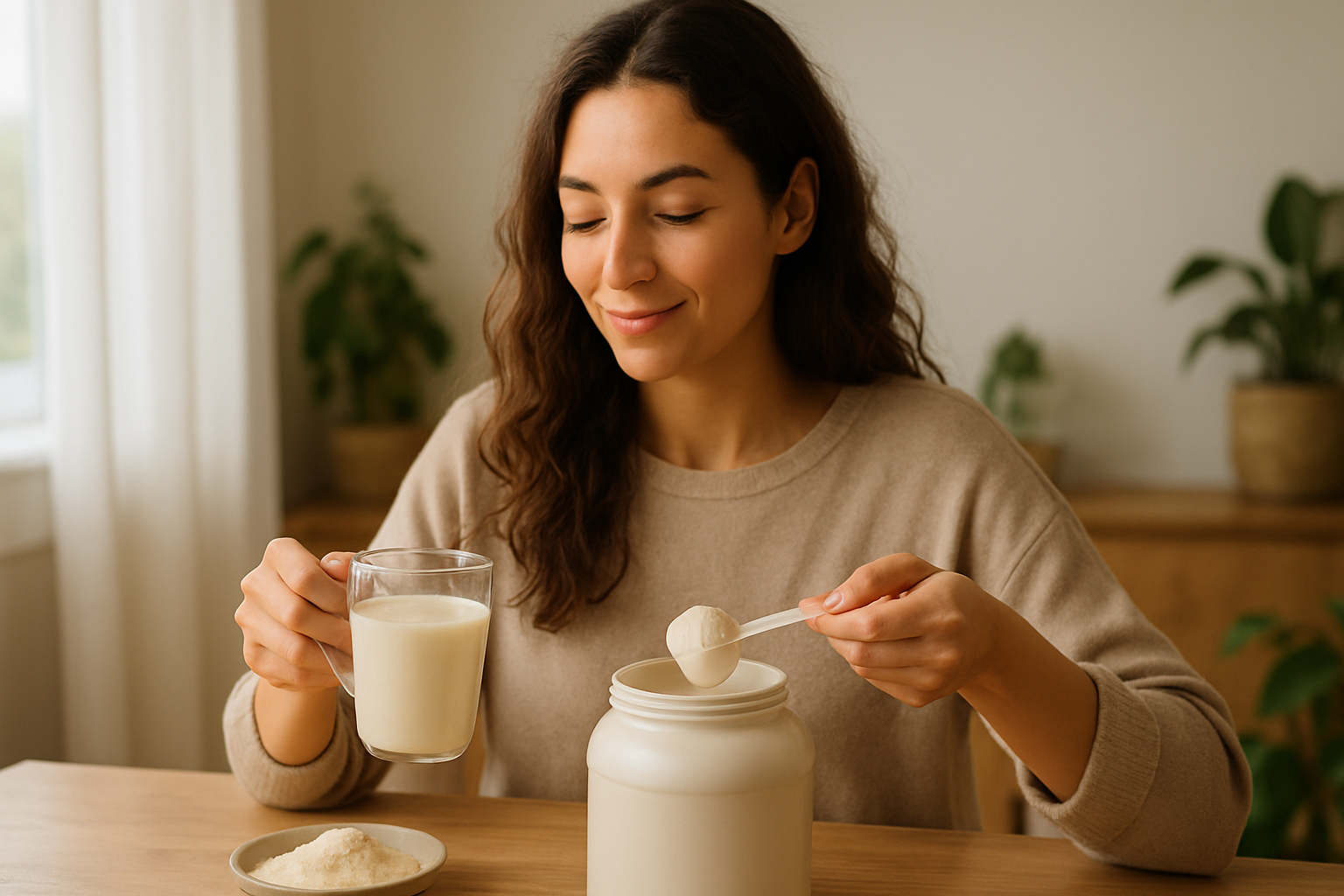
Whey protein is more than just a convenient source of protein. It contains an amino acid called cysteine, which is a building block your body uses to make glutathione. In fact, whey protein is often considered one of the best dietary sources to support glutathione production naturally.
The cysteine in whey protein is in a form that’s easy for your body to absorb and use. This is why whey protein is commonly chosen by people who want to support their antioxidant levels, recover from workouts, or maintain immune balance during busy or stressful times.
How Antioxidants and Nrf2 Work Together
To understand why glutathione is so important, it helps to know a bit about antioxidants and a protein called Nrf2. Antioxidants protect your cells from damage caused by free radicals—unstable molecules that can increase with stress, pollution, and aging.
Nrf2 acts like a switch inside your cells. When activated, it tells your body to produce more antioxidants, including glutathione. Whey protein’s support of cysteine availability helps this process by providing the raw materials your cells need.
Who May Benefit from Adding Whey Protein?
Whey protein as a glutathione precursor can be useful for a variety of people, including those who:
- Lead busy lives and want to support their energy and immune health.
- Are focused on healthy aging and maintaining cellular health.
- Engage in regular exercise and want to support recovery.
- Are looking for convenient nutrition options that fit into a balanced diet.
It’s important to remember that whey protein is a tool to complement a healthy lifestyle, including balanced meals, hydration, stress management, and regular movement.
Practical Ways to Include Whey Protein in Your Routine
Incorporating whey protein can be simple and flexible. Here are some ideas:
- Mix a scoop into your morning smoothie for a nutritious start.
- Add it to oatmeal or yogurt to boost protein and support antioxidant production.
- Use it as a recovery drink after exercise to support muscle repair and replenish glutathione.
Choosing a high-quality whey protein without added sugars or artificial ingredients can help you get the most benefit.
Consistency and Small Steps Matter
Supporting your body’s glutathione production isn’t about quick fixes. It’s about consistent, small choices that add up over time. Including whey protein regularly, alongside nutrient-rich foods like fruits, vegetables, and healthy fats, can create a strong foundation for wellness.
Remember, your body’s ability to maintain balance is influenced by many factors, so patience and gentle persistence are key.
Try This Today: Simple Steps to Support Glutathione Naturally
- Add a scoop of whey protein to your breakfast smoothie or yogurt. This provides cysteine to help your body make glutathione.
- Prioritize colorful fruits and vegetables. They offer vitamins and antioxidants that work alongside glutathione.
- Practice stress-relief habits. Even a few minutes of deep breathing or a short walk can support your overall antioxidant system.
Supporting Your Wellness Journey
Whey protein as a glutathione precursor is one of many ways to support your health naturally. If you'd like help building a wellness routine that fits your life, Debra can help. Through personalized coaching focused on nutrition and lifestyle, she guides women toward balanced, sustainable habits that feel good and work well with busy schedules.
Products and Resources
Offers whey protein supplements known for supporting glutathione production and overall wellness.
Features natural supplements that may help support antioxidant balance and healthy aging.
Need a simpler wellness plan?
Debra works with women who want practical support, not perfection. If you want help creating a routine that fits your life, this is the right place to start.
Start with updatesKeep reading
These posts help build topical authority for search engines and keep readers moving naturally through Debra's best content.
Get Debra's updates
A quick note from Debbie, plus new posts on family life, nature, and wellness.